

Winter caps aren’t just fashion accessories — they’re your first line of defense against the cold. Whether you’re shopping for warmth, style, or both, choosing the right cap can make all the difference. In this guide, you’ll learn everything you need to know: materials, types, fit, care, and buying tips.
1. Why Material Matters
The material of your winter cap significantly affects warmth, comfort, and durability. Here are key materials to consider:
- Wool & Wool Blends: Wool is one of the warmest natural fibers. It traps heat well and wicks moisture. :contentReference[oaicite:0]{index=0}
- Fleece / Thermal Fabrics: Polyester fleece and thermal knits provide excellent insulation and are very comfortable against the skin. :contentReference[oaicite:1]{index=1}
- Acrylic: A synthetic fiber that retains color well, is lightweight, and often used in knit beanies. :contentReference[oaicite:2]{index=2}
- Cotton Blends: Breathable and soft, but less insulating than wool or fleece — good for mild winters. :contentReference[oaicite:3]{index=3}
2. Types of Winter Caps
Not every winter cap is the same. Here are popular types and when to choose them:
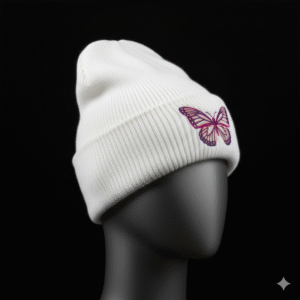
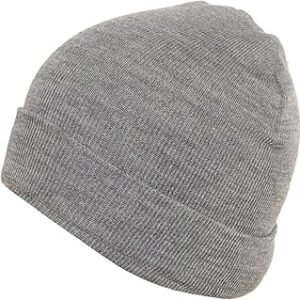
- Beanie: Classic knit cap that fits snugly. Great for daily wear. :contentReference[oaicite:4]{index=4}
- Slouchy Beanie: Relaxed fit with extra fabric — more style, slightly less warmth. :contentReference[oaicite:5]{index=5}
- Thermal Knit Cap: Designed with inner lining or double layer for added insulation. :contentReference[oaicite:6]{index=6}
- Toque / Watch Cap: A brimless, tight-fitting knit cap. :contentReference[oaicite:7]{index=7}
3. Choosing the Right Cap for Your Climate & Use
Selecting a cap depends on how and where you’ll wear it:
- Mild Winters: Go for cotton blends or lightweight acrylic.
- Moderate Cold: Wool, fleece, or thermal-lined knits provide better insulation. :contentReference[oaicite:8]{index=8}
- Extreme Weather: Choose double-layer caps, or hats with thermal lining or ear flaps. :contentReference[oaicite:9]{index=9}
- Active Use: For running or skiing, pick breathable but warm fabric like merino wool or fleece. :contentReference[oaicite:10]{index=10}
4. Fit & Comfort Considerations
A well-fitting cap is key: too tight and it crushes your hair; too loose and it won’t keep you warm.
- Look for **elasticity** — materials with a bit of stretch (spandex, elastane) offer a snug yet flexible fit. :contentReference[oaicite:11]{index=11}
- If you have long or thick hair, consider looser styles or caps designed to accommodate volume. :contentReference[oaicite:12]{index=12}
- Choose caps that cover your **ears fully** for better warmth.
5. Hair Protection & Lining
If you’re worried about “hat hair” or frizz, lining can help:
- Satin or silk lining reduces friction and helps preserve your hair’s health. :contentReference[oaicite:13]{index=13}
- Double-layer knits can help cushion your hair and provide a gentler fit. :contentReference[oaicite:14]{index=14}
6. Durability & Maintenance
Taking care of your winter cap ensures it lasts longer:
- Wool or wool-blend: Hand wash or use gentle cycle; lay flat to dry. :contentReference[oaicite:15]{index=15}
- Acrylic: Usually machine washable, quick-drying. :contentReference[oaicite:16]{index=16}
- Thermal / Fleece: Wash inside out to maintain the lining; avoid high heat drying.
7. Style & Color Tips
Consider how your cap fits into your winter wardrobe:
- Neutral colors (black, grey, navy) match easily with most outfits. :contentReference[oaicite:17]{index=17}
- Chunky knits and textures add a style statement. :contentReference[oaicite:18]{index=18}
- If you want versatility, go for reversible or double-layer caps. :contentReference[oaicite:19]{index=19}
8. Examples to Consider
Here are a few winter cap options (from external sources) you can look at or draw inspiration from:
- **:contentReference[oaicite:20]{index=20}** — soft knit, stretchy, great for layering.
- **:contentReference[oaicite:21]{index=21}** — velvet-wool mix gives a premium feel + warmth.
- **:contentReference[oaicite:22]{index=22}** — built for cold outdoor conditions.
- **:contentReference[oaicite:23]{index=23}** — simple woven design, lightweight.
9. Price & Value Considerations
When buying winter caps, balance cost vs functionality:
- Synthetic caps (acrylic) tend to be the most affordable but offer less insulation. :contentReference[oaicite:24]{index=24}
- Wool or wool-blend caps may cost more but last longer and offer better warmth. :contentReference[oaicite:25]{index=25}
- Thermal-lined or double-layer caps are more expensive but are very good for harsh winters.
10. Final Checklist Before You Buy
Here’s a quick checklist to use before purchasing a winter cap:
- What is the main purpose — daily wear, outdoor use, fashion?
- What is the winter climate where you live?
- Do you need ear coverage or extra lining?
- What material do you prefer — wool, synthetic, blend?
- Does the cap fit your head comfortably?
- Is there any lining for hair protection?
- How will you wash and care for it?
- Does the design match your winter wardrobe?
Conclusion
Buying a winter cap is about more than just style — it’s about comfort, warmth, and practicality. By paying attention to the material, design, and how you plan to use it, you can find a cap that keeps you warm and looks good all season long. Use this guide as your reference, and you’ll be well-equipped to pick a cap that matches your needs.
Want to explore winter caps on AWTARA? Visit our winter collection and pick your perfect match.